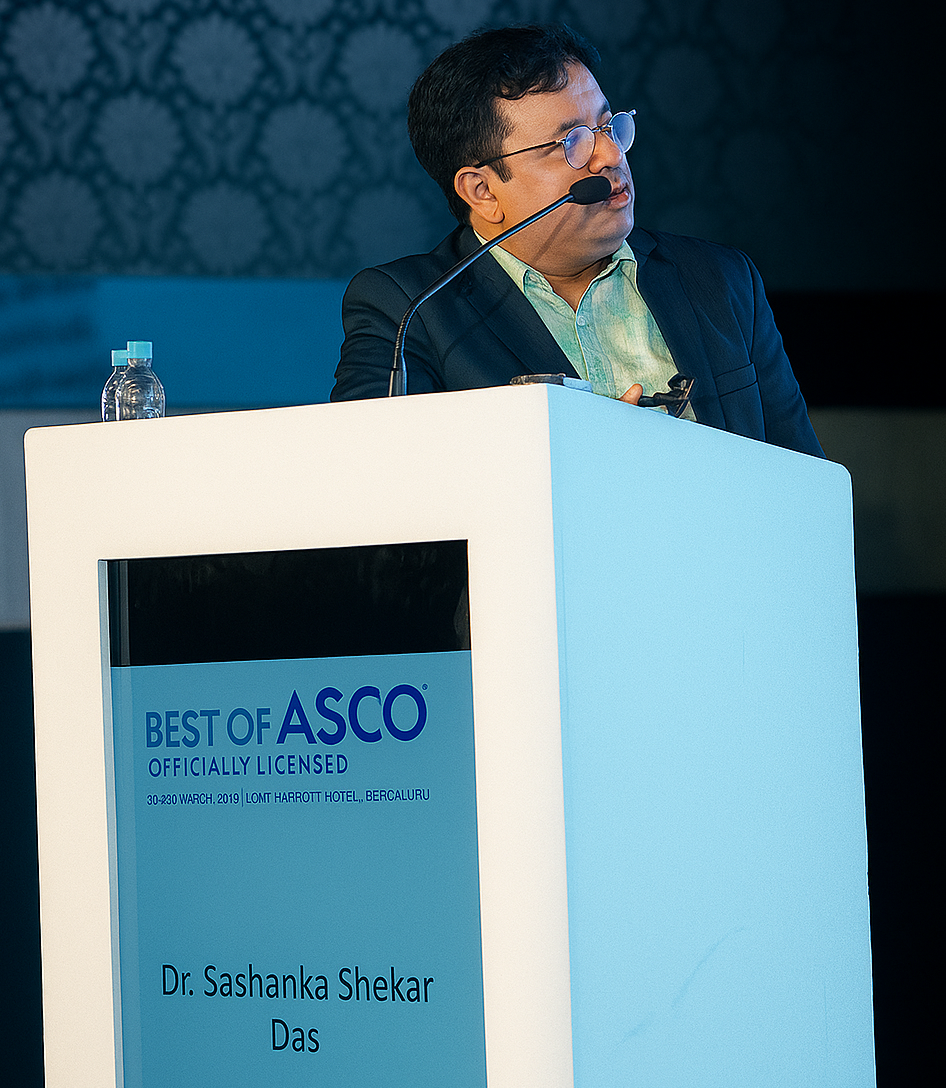

Prostate cancer is one of the most common cancers among men, and early diagnosis can save lives. Dr. Shasanka Das, a leading prostate cancer doctor in Kolkata, provides expert care and advanced treatment to help men fight this disease effectively. This guide explains prostate cancer, its symptoms, screening, and treatment in simple words.
What Is Prostate Cancer?
The prostate is a small gland below the bladder that produces seminal fluid. Prostate cancer begins when abnormal cells start growing uncontrollably in this gland.
Most prostate cancers grow slowly, remaining within the prostate for years. However, some aggressive types can spread rapidly to bones or other organs. Detecting prostate cancer early gives a much better chance of cure.
Who Gets Prostate Cancer?
Any man can develop prostate cancer, but certain factors increase the risk:
- Age above 50 years
- Family history of prostate cancer
- Obesity and lack of exercise
- Diet high in red meat
- Sedentary lifestyle
While age cannot be changed, lifestyle modifications—like regular exercise and a balanced diet—can lower risk.
Warning Signs to Watch For
In the early stages, prostate cancer often causes no noticeable symptoms. That’s why regular screening with a prostate cancer doctor in Kolkata is essential. As the cancer advances, symptoms may include:
- Difficulty starting urination
- Weak or interrupted urine flow
- Frequent urination at night
- Pain or burning sensation during urination
- Blood in urine or semen
- Pain in lower back or hips
- Pain during ejaculation
- Erectile dysfunction
Even if these symptoms seem minor, always consult your doctor for evaluation.
Why Early Detection Matters
Early detection of prostate cancer leads to better outcomes. When diagnosed in early stages, the disease can often be completely cured with minimal treatment.
It also allows for less invasive therapy options and faster recovery. Waiting too long increases the risk of cancer spreading to bones or vital organs, making treatment more complex.
Screening Tests for Prostate Cancer
Regular screening tests help detect prostate cancer before symptoms appear. Discuss with your doctor which screening options suit you best.
1. PSA Blood Test
The Prostate-Specific Antigen (PSA) test measures PSA protein levels in the blood. High PSA levels may indicate cancer, infection, or other prostate conditions.
- Normal PSA: < 4 ng/mL
- Borderline: 4–10 ng/mL (needs further testing)
- Concerning: > 10 ng/mL (requires detailed evaluation)
2. Physical Examination
During a Digital Rectal Exam (DRE), the doctor gently examines the prostate for abnormalities. Though slightly uncomfortable, this test is crucial for early detection.
When to Start Screening
Most men should begin screening at age 50, while high-risk individuals—those with a family history or certain ethnic backgrounds—should start at 45.
Consulting the best oncologist for prostate cancer in New Alipore ensures you receive personalized screening recommendations based on your medical history.
How Doctors Confirm Cancer
If screening results are abnormal, further diagnostic tests confirm the presence of cancer.
Prostate Biopsy
A biopsy involves collecting tiny tissue samples from the prostate using a fine needle. These samples are examined under a microscope to detect cancer cells and determine aggressiveness.
Imaging Tests
- MRI Scan: Provides detailed images of the prostate to locate tumors precisely.
- CT Scan: Checks whether cancer has spread to nearby lymph nodes or organs.
- Bone Scan: Determines if cancer has metastasized to bones, a common site for advanced cases.
Stages of Prostate Cancer
Doctors classify prostate cancer into stages to plan treatment effectively:
- Stage 1: Cancer is tiny and confined to the prostate.
- Stage 2: Tumor is larger but still localized.
- Stage 3: Cancer has spread beyond the prostate to nearby tissues.
- Stage 4: Cancer has metastasized to distant organs or bones.
Treatment Options
Treatment depends on the stage, age, and overall health of the patient. Dr. Shasanka Das, an experienced genitourinary oncologist in New Alipore, Kolkata, tailors each treatment plan to achieve the best results.
Active Surveillance (Watchful Waiting)
For slow-growing cancers, regular monitoring is preferred. This approach avoids unnecessary side effects from early treatment.
Surgery (Radical Prostatectomy)
Surgical removal of the prostate gland is effective for cancer confined to the prostate. Recovery usually takes a few weeks, and most men return to normal activities soon.
Radiation Therapy
High-energy radiation targets and destroys cancer cells. It may be delivered externally or internally using radioactive seeds placed inside the prostate.
Hormone Therapy
This therapy reduces testosterone levels to slow or stop cancer growth. It’s often combined with other treatments for better outcomes.
Chemotherapy
Used mainly for advanced stages, chemotherapy destroys rapidly growing cancer cells and controls disease spread.
Targeted Therapy
Advanced drugs target specific cancer cell mechanisms, improving treatment precision with fewer side effects.
Why Choose Dr. Shasanka Das
Finding the right prostate cancer doctor in Kolkata makes all the difference.
Dr. Shasanka Das is widely regarded as the best oncologist for prostate cancer in New Alipore, known for his compassionate care and advanced treatment techniques.
Expert Care
With vast experience in genitourinary oncology, Dr. Das uses the latest diagnostic tools and therapies. His patient-first approach ensures that you fully understand every step of your treatment journey.
Comprehensive Support
From diagnosis to recovery, Dr. Das provides end-to-end cancer management. His multidisciplinary team ensures access to the most advanced prostate cancer treatment near me options available in Kolkata.
Proven Results
Dr. Das has helped numerous men overcome prostate cancer with excellent outcomes. His success stories inspire confidence and hope for patients and their families.
Living Well After Diagnosis
A prostate cancer diagnosis can be emotionally challenging, but remember—many men live long, healthy lives after treatment.
Here are simple tips to stay strong:
- Eat a balanced diet rich in fruits and vegetables
- Exercise regularly
- Get proper sleep
- Stay connected with family and friends
- Join a cancer support group
- Follow your treatment plan diligently
- Keep in regular touch with your oncologist
Taking care of your mind and body helps recovery and improves quality of life.
Conclusion
Early detection is the key to defeating prostate cancer. If you experience urinary issues or risk factors, consult Dr. Shasanka Das, a renowned prostate cancer doctor in Kolkata and experienced genitourinary oncologist in New Alipore, Kolkata.
His evidence-based approach, advanced facilities, and personalised treatment plans make him the best oncologist for prostate cancer in New Alipore.
Timely screening and treatment can save lives—take the first step toward better prostate health today by scheduling your consultation for prostate cancer treatment near me with Dr. Shasanka Das.