Myeloma
Your Trusted Partner in Myeloma Treatment
Advanced Myeloma Treatment You Can Trust
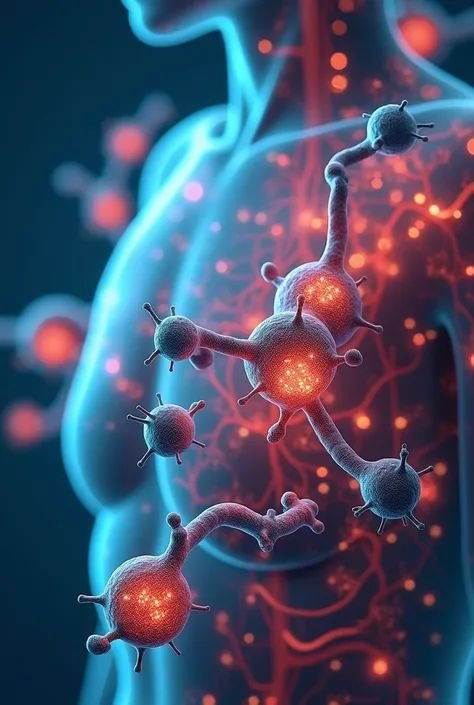
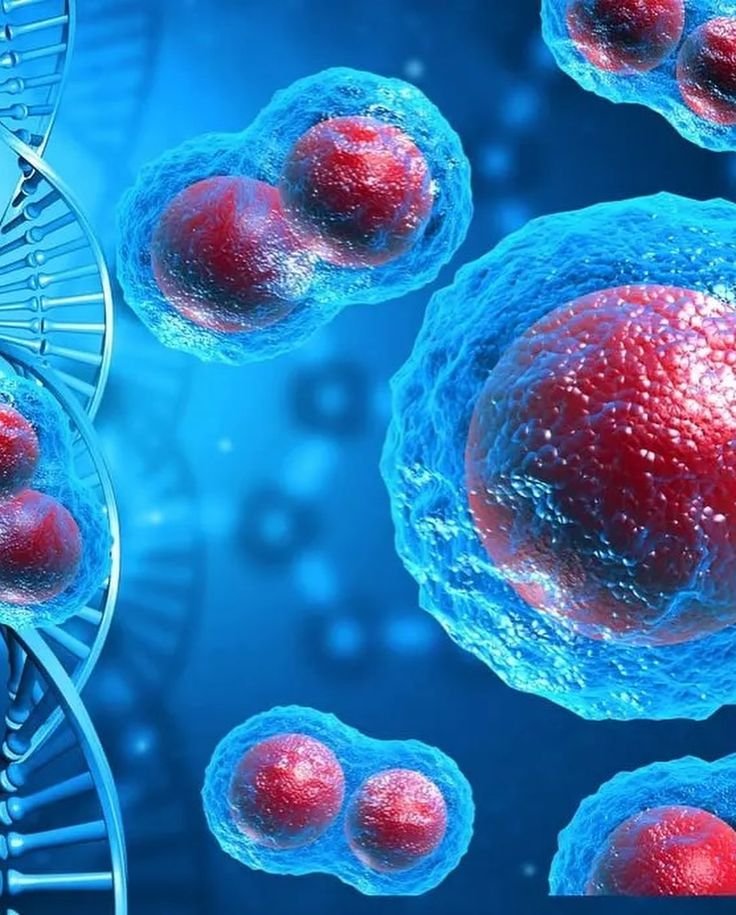
Myeloma, also called multiple myeloma, is a type of blood cancer that begins in plasma cells, which are specialized white blood cells found in the bone marrow. Under normal conditions, plasma cells produce antibodies to help the body fight infections. In myeloma, these cells multiply abnormally and create large amounts of an unusual protein known as M-protein, which can damage vital organs and weaken the immune system. As the disease progresses, it interferes with the production of healthy blood cells, leading to anemia, recurrent infections, bone damage, and kidney problems.
The exact cause of myeloma is not fully understood, but certain factors increase risk, including age (most cases occur after 60), family history of blood cancers, male gender, obesity, prolonged chemical or radiation exposure, and precursor conditions such as Monoclonal Gammopathy of Undetermined Significance (MGUS). Early symptoms are often subtle but may include persistent bone pain, especially in the spine or ribs, repeated infections, unexplained fatigue, kidney dysfunction, and fractures caused by weakened bones. Because symptoms can resemble other illnesses, diagnosis often requires blood and urine tests, bone marrow biopsy, imaging studies, and genetic testing.
Causes & Risk Factors
- Genetic mutations in plasma cells
- Family history of myeloma or other blood cancers
- Age (most common in people over 60)
- Gender (slightly more common in men)
- Obesity and poor lifestyle habits
Signs & Symptoms
- Persistent bone pain, especially in the back or ribs
- Frequent bone fractures or thinning of bones (osteoporosis)
- Fatigue and weakness due to anemia
- Frequent infections due to low immunity
- Kidney problems (abnormal kidney function tests)
Life After Treatment
Life after myeloma treatment is focused on monitoring, managing side effects, and preventing relapse. Patients require regular blood tests, urine tests, and scans to detect any signs of disease recurrence. Fatigue and bone weakness may persist, so physical rehabilitation, adequate nutrition, and gentle exercise are important for recovery. Since myeloma affects immunit
Prevention & Awareness
- Maintain a healthy weight and active lifestyle
- Avoid smoking and excessive alcohol consumption
- Reduce exposure to harmful chemicals and radiation
- Regular check-ups if there is a family history of blood cancers
- Monitor and manage precursor conditions like MGUS
Treatment Options
We provide a wide range of treatments tailored to each patient’s specific condition
Surgery
Removal of cancerous tumors with reconstructive surgery when needed.
Radiation Therapy
High-energy rays used to target and kill cancer cells.
Chemotherapy
Medications that destroy or shrink tumors, often combined with radiation.
Targeted Therapy
Precision medicines that attack specific cancer cell proteins.
Immunotherapy
Boosts the body’s natural defenses to fight cancer.
Rehabilitation
Speech therapy, swallowing therapy, nutritional support, and psychological counseling to help patients recover fully.
FAQ
Frequently Asked Questions
What is myeloma?
Myeloma is a type of blood cancer that starts in plasma cells in the bone marrow, leading to abnormal protein production and damage to bones, kidneys, and immunity.
What are the early signs of myeloma?
Bone pain, frequent infections, anemia, kidney issues, and unexplained fatigue are common early symptoms.
Can myeloma be cured?
Currently, myeloma is generally not considered curable, but it can be managed effectively for many years with advanced treatments.
How is myeloma diagnosed?
Diagnosis involves blood and urine tests, bone marrow biopsy, imaging scans, and genetic studies.