Genitourinary Cancer
Your Trusted Partner in Genitourinary Cancer Treatment
Advanced Genitourinary Cancer Treatment You Can Trust
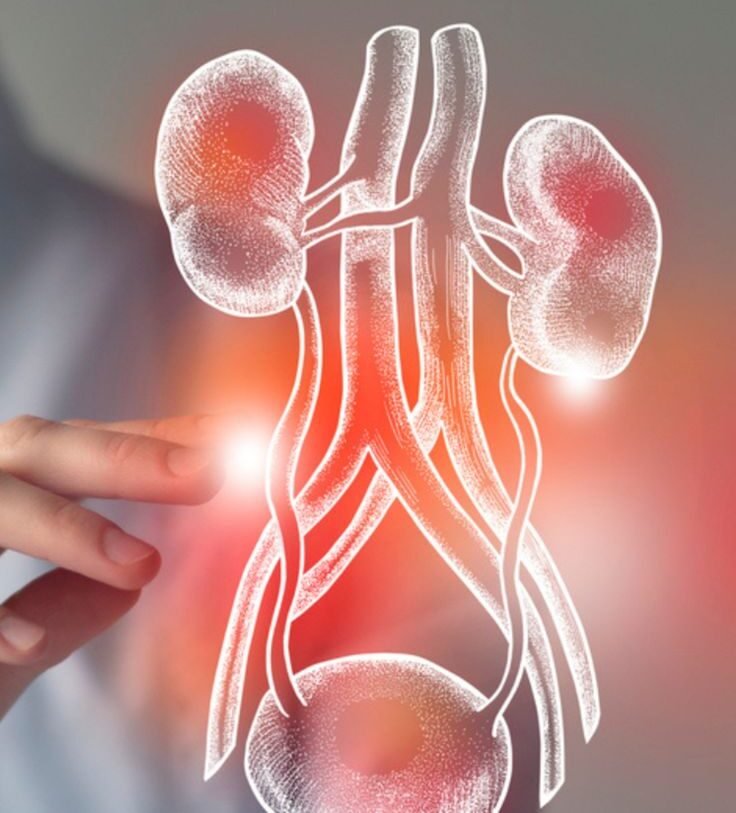
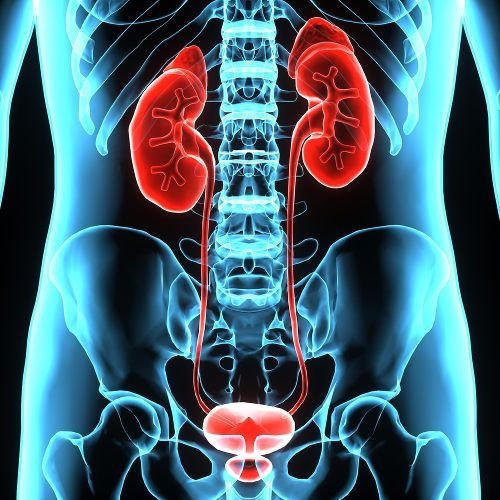
At our center, we provide advanced genitourinary cancer treatment you can trust, combining cutting-edge medical expertise with compassionate care. Our team of specialists is dedicated to diagnosing and treating cancers of the kidney, bladder, prostate, and related organs using the latest evidence-based therapies, modern technology, and personalized treatment plans. With a focus on both effectiveness and patient well-being, we ensure that every individual receives comprehensive support throughout their journey, giving them confidence and hope in the path to recovery. We understand that a diagnosis of genitourinary cancer can feel overwhelming, which is why we are committed to delivering not just treatment, but complete care tailored to each patient’s unique needs.
Causes & Risk Factors
- Genetics & Family History – Inherited genetic mutations and family history of cancer.
- Age & Gender – Older age and male gender are linked to higher risk for some cancers like prostate and bladder cancer.
- Lifestyle Choices – Smoking, high-fat diet, obesity, and lack of physical activity.
- Exposure to Chemicals & Toxins – Long-term exposure to certain workplace chemicals.
- Chronic Conditions – Conditions like recurrent urinary infections or kidney diseases.
Signs & Symptoms
- Blood in urine (hematuria)
- Frequent or painful urination
- Lower back pain or abdominal discomfort
- Unexplained weight loss or fatigue
- Lumps or swelling in the testicles

Life After Treatment
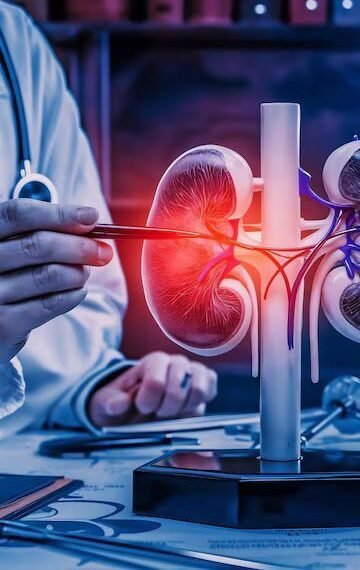
Life after genitourinary cancer treatment can bring physical and emotional changes. Regular follow-ups, imaging tests, and blood work are essential to monitor recovery. Patients may experience changes in urinary or sexual function, but rehabilitation programs, counseling, and supportive care can help improve quality of life. Many patients are able to return to their normal routines, adopting healthier habits that reduce the risk of recurrence.
Prevention & Awareness
- Quit smoking and avoid exposure to harmful chemicals.
- Maintain a healthy weight with regular exercise and balanced nutrition.
- Drink plenty of water to promote urinary health.
- Undergo regular health check-ups, especially if you have a family history of cancer.
- Spread awareness about early screening for prostate, kidney, and bladder cancers.
Treatment Options
We provide a wide range of treatments tailored to each patient’s specific condition
Surgery
Removal of cancerous tumors with reconstructive surgery when needed.
Radiation Therapy
High-energy rays used to target and kill cancer cells.
Chemotherapy
Medications that destroy or shrink tumors, often combined with radiation.
Targeted Therapy
Precision medicines that attack specific cancer cell proteins.
Immunotherapy
Boosts the body’s natural defenses to fight cancer.
Minimally Invasive Procedures
Laparoscopic or robotic surgeries for faster recovery.
FAQ
Frequently Asked Questions
Can genitourinary cancers be detected early?
Yes, regular check-ups and screenings (like PSA for prostate cancer or imaging tests for kidneys and bladder) can help detect cancers at an early, treatable stage.
Is genitourinary cancer curable?
Many types, when caught early, are highly treatable and even curable. Advanced cases can often be managed effectively with modern therapies.
Will treatment affect my daily life?
Some treatments may cause side effects such as fatigue, changes in urinary habits, or sexual health concerns, but supportive care and rehabilitation can help patients return to normal routines.
How important is lifestyle after treatment?
A healthy lifestyle plays a major role in recovery, improving immunity, and reducing the chance of recurrence.