Brain Cancer
Your Trusted Partner in Brain Cancer Treatment
Advanced Brain Cancer Treatment You Can Trust
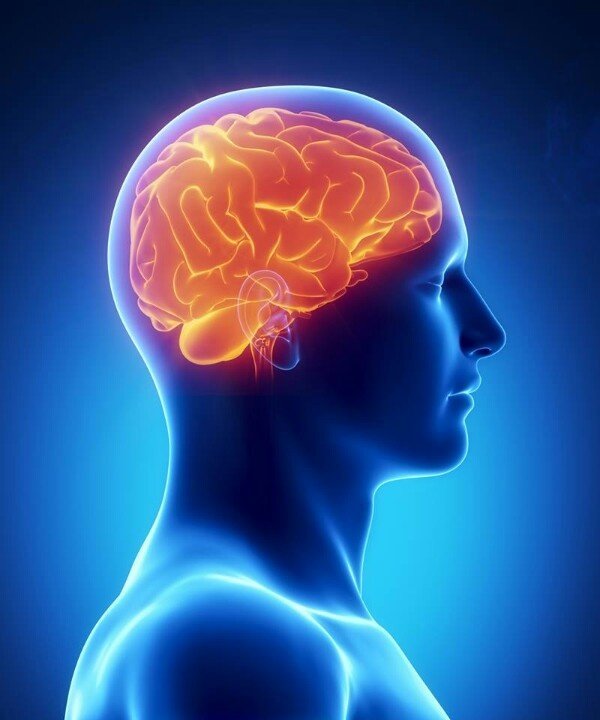
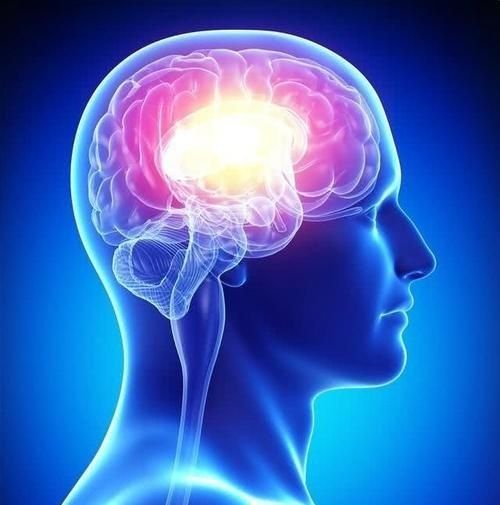
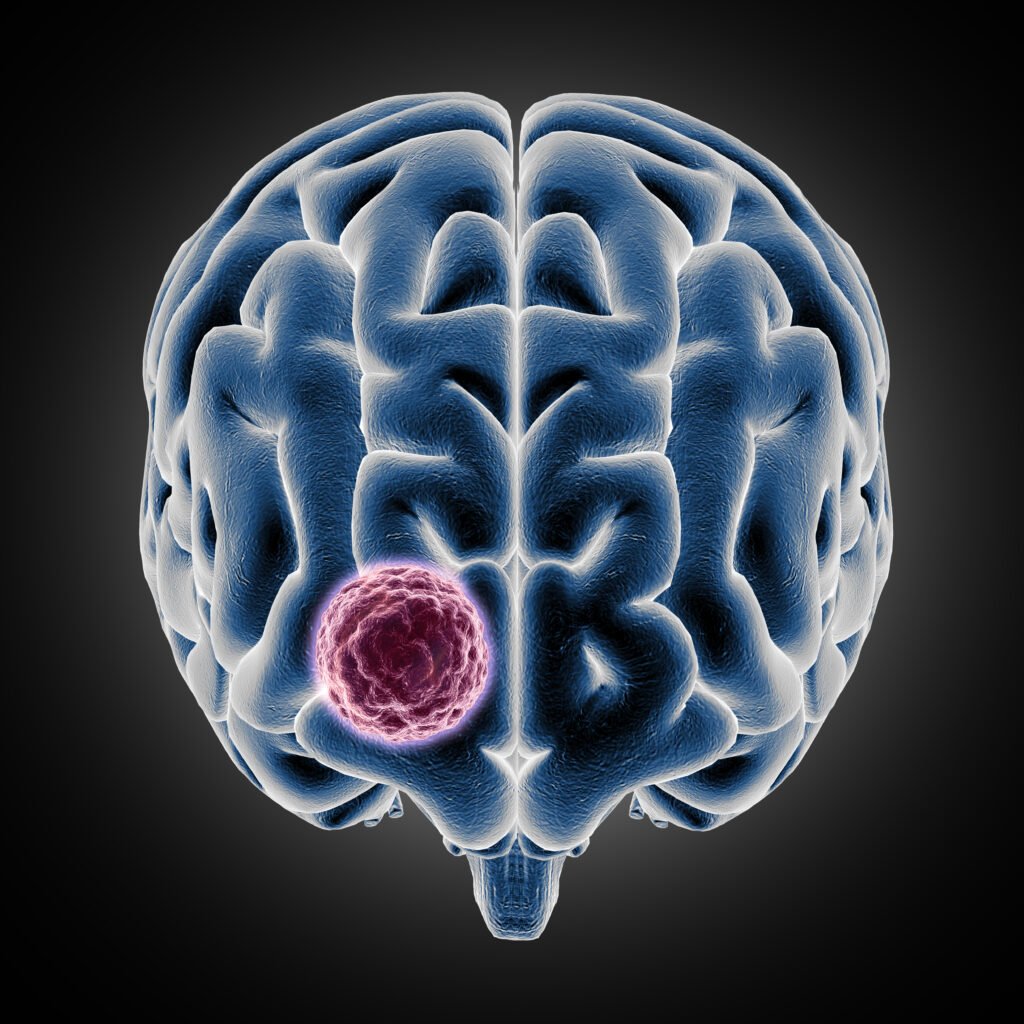
Brain cancer is a serious condition that develops when abnormal cells grow uncontrollably within the brain or its surrounding tissues. These tumors can disrupt vital brain functions, including memory, speech, balance, and coordination, and may be either benign (non-cancerous) or malignant (cancerous). Malignant tumors are more aggressive and can spread quickly, making early diagnosis and timely treatment essential.
The exact causes of brain cancer are not always clear, but certain factors may increase the risk, such as genetic mutations, a family history of brain tumors, exposure to high doses of radiation, or a weakened immune system.
Causes & Risk Factors
- Genetic mutations that cause abnormal cell growth in the brain
- Family history of brain tumors or inherited genetic conditions
- High radiation exposure, either from medical treatments or environment
- Weakened immune system due to illness or long-term medications
- Gender – some types of brain cancer are more common in men
Signs & Symptoms
- Persistent or worsening headaches
- Unexplained nausea or vomiting
- Blurred, double, or loss of vision
- Difficulty with balance and coordination
- Seizures or sudden convulsions
Life After Treatment
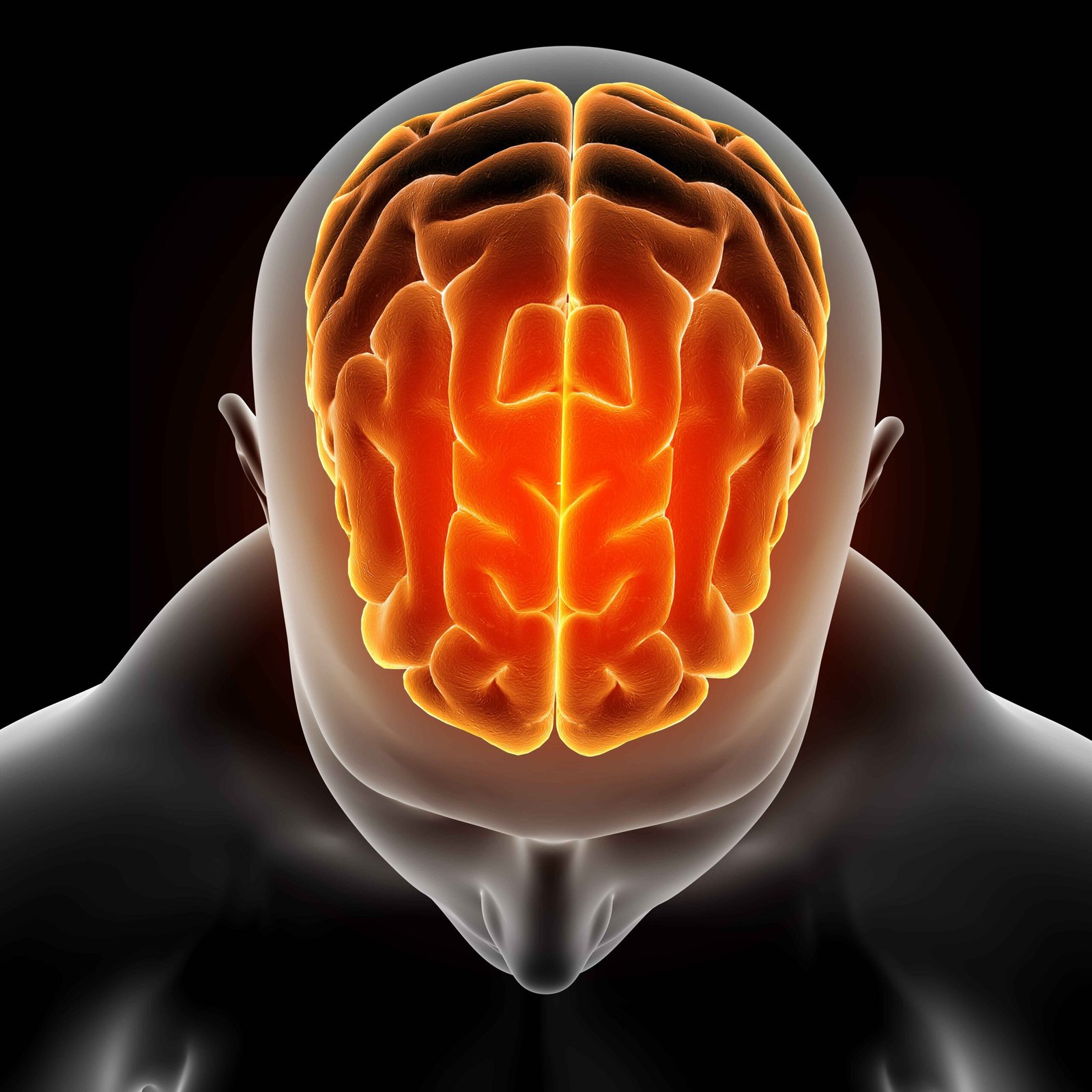
Life after brain cancer treatment can bring both relief and challenges. While completing treatment is a significant milestone, recovery often requires ongoing care and lifestyle adjustments.
Prevention & Awareness
- Early screening and neurological exams if you have a family history of brain cancer
- Avoid unnecessary exposure to high-dose radiation when possible
- Consider testing if there is a strong family history of brain tumors
- Balanced diet, regular exercise, and maintaining a healthy weight
- Reduces overall cancer risk, including brain tumors
Treatment Options
We provide a wide range of treatments tailored to each patient’s specific condition
Surgery
Removal of cancerous tumors with reconstructive surgery when needed.
Radiation Therapy
High-energy rays used to target and kill cancer cells.
Chemotherapy
Medications that destroy or shrink tumors, often combined with radiation.
Targeted Therapy
Precision medicines that attack specific cancer cell proteins.
Immunotherapy
Boosts the body’s natural defenses to fight cancer.
Rehabilitation
Speech therapy, swallowing therapy, nutritional support, and psychological counseling to help patients recover fully.
FAQ
Frequently Asked Questions
What is brain cancer?
Brain cancer occurs when abnormal cells grow uncontrollably in the brain, forming tumors that can affect memory, movement, speech, and other vital functions.
What are the early warning signs of brain cancer?
Common signs include persistent headaches, nausea, vision changes, seizures, memory problems, difficulty speaking, and changes in personality or behavior.
How is brain cancer diagnosed?
Doctors use MRI, CT scans, PET scans, neurological exams, and biopsies to confirm the presence, type, and stage of the tumor.
Is brain cancer curable?
Treatment success depends on the type, size, and location of the tumor, as well as the stage at diagnosis. Early detection and advanced treatment improve outcomes significantly.