
Bone Cancer
Your Trusted Partner in Bone Cancer Treatment
Advanced Bone Cancer Treatment You Can Trust
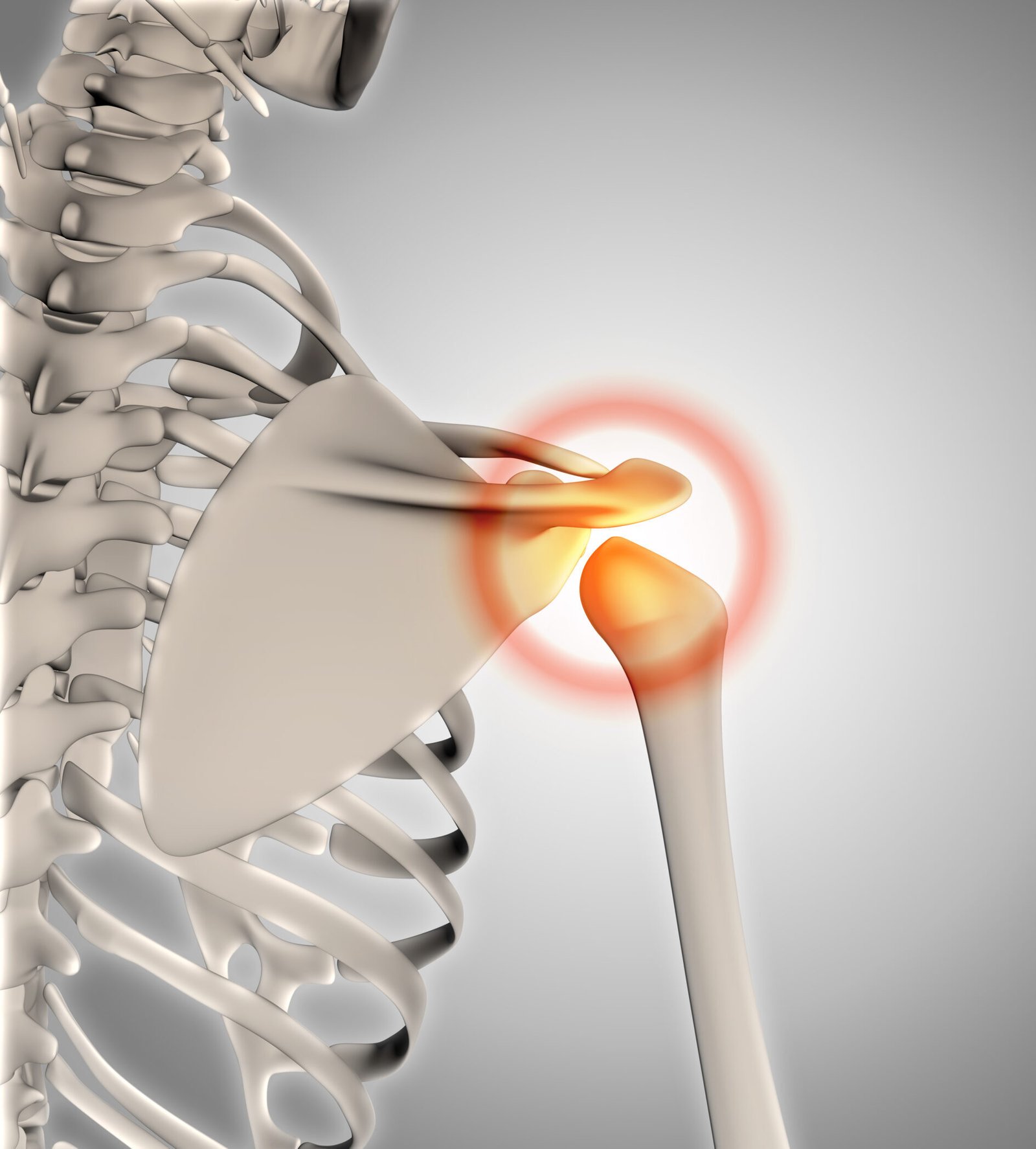
Bone cancer is a rare but serious condition that develops when abnormal cells grow uncontrollably within the bones, forming tumors. It can affect any bone in the body but is most commonly seen in the long bones of the arms and legs, as well as the pelvis. The condition may cause bone pain, swelling, or even fractures due to weakened bones. While it can occur at any age, certain types of bone cancer are more common in children, teenagers, and older adults.
The exact causes of bone cancer are not fully understood, but factors such as genetic mutations, family history, previous radiation exposure, and certain bone diseases like Paget’s disease may increase the risk. Early detection is often challenging since symptoms like pain or swelling can be mistaken for injuries. Therefore, timely diagnosis through imaging tests such as X-rays, MRI, CT scans, and confirmatory biopsies is crucial.
Causes & Risk Factors
- Genetic mutations that cause abnormal cell growth in bones
- Family history of bone cancer or certain genetic syndromes
- Previous radiation therapy, especially in childhood
- Bone diseases such as Paget’s disease of bone
- Weakened immunity or chronic medical conditions
Signs & Symptoms
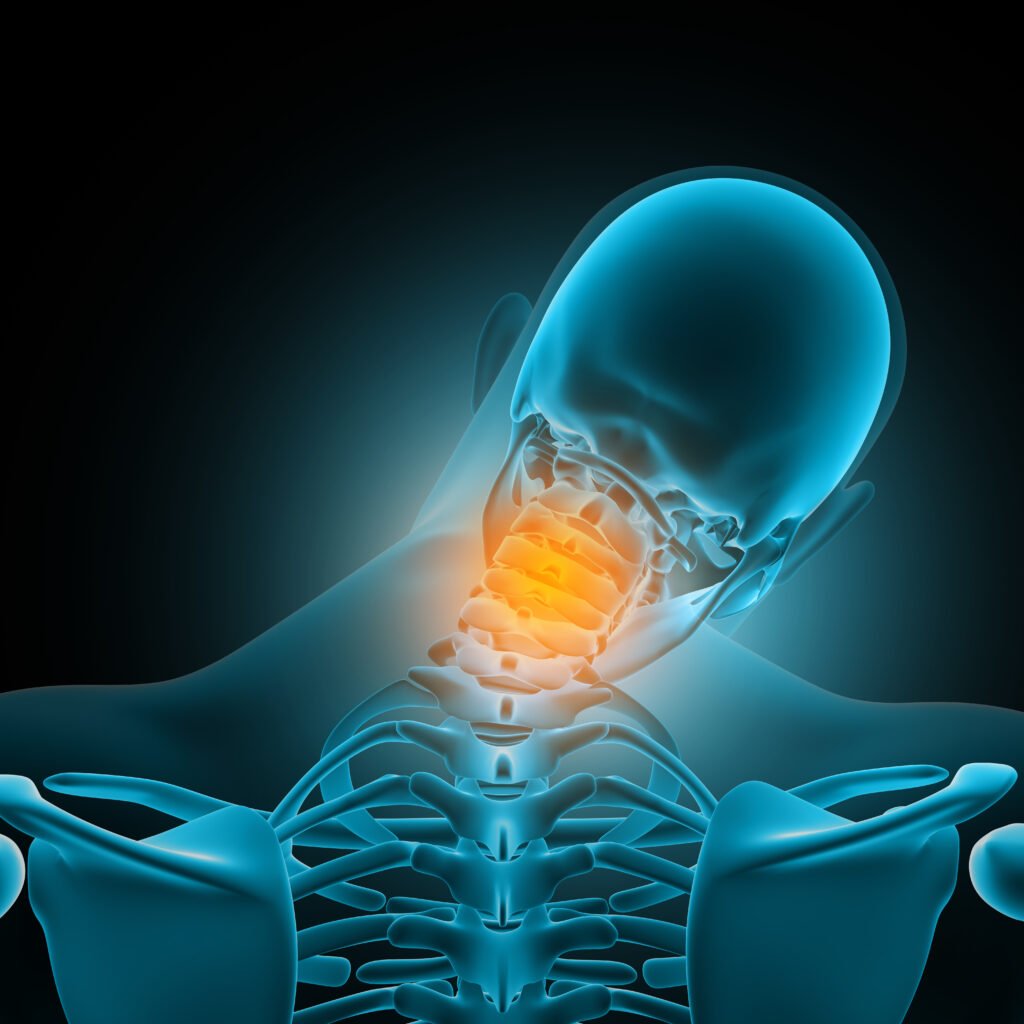
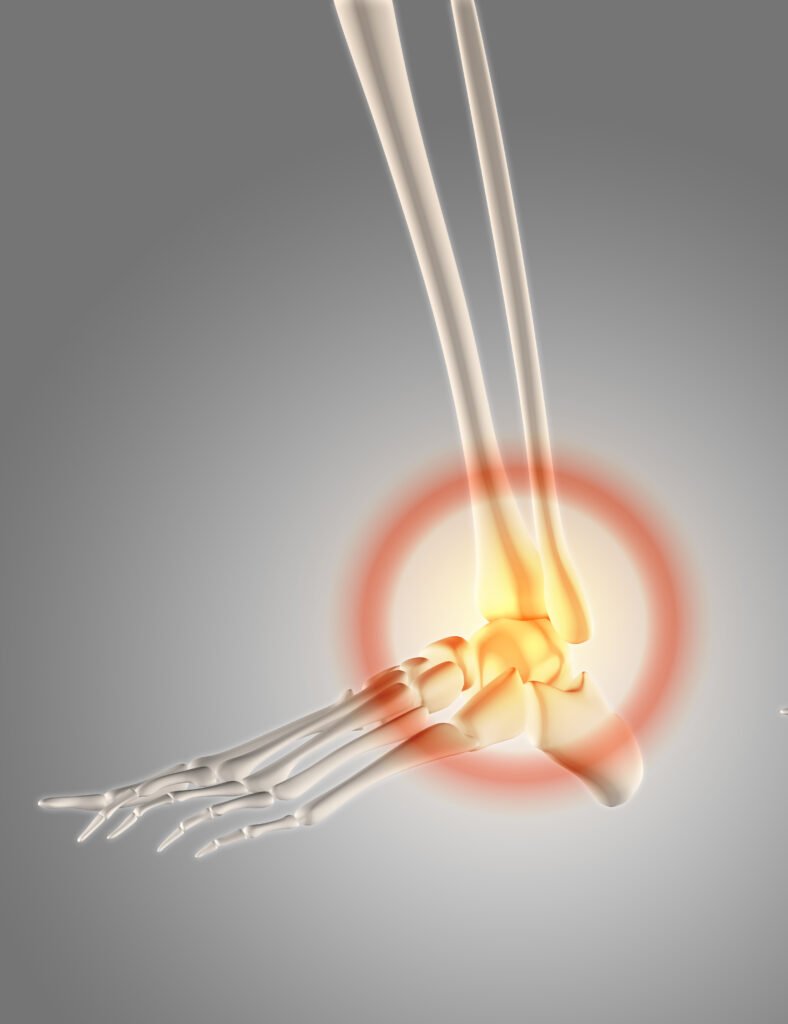
- Persistent or worsening bone pain, often stronger at night
- Swelling or lump in the affected area
- Fractures due to weakened bones
- Stiffness or limited movement in nearby joints
- Fatigue, weight loss, or fever in advanced stages
Life After Treatment
Life after bone cancer treatment is a journey of healing and adjustment. Many patients require physical rehabilitation to rebuild strength, balance, and mobility, especially if surgery has affected their limbs. In some cases, prosthetics or reconstructive surgery may be used to restore movement and function, helping patients return to their normal routines.
Prevention & Awareness
- Regular medical check-ups, especially for those with family history of bone cancer
- Protecting bones from repeated injuries or trauma
- Early treatment of bone-related conditions like Paget’s disease
- Avoiding unnecessary exposure to radiation
- Awareness of persistent bone pain or swelling and consulting a doctor promptly
Treatment Options
We provide a wide range of treatments tailored to each patient’s specific condition
Surgery
Removal of cancerous tumors with reconstructive surgery when needed.
Radiation Therapy
High-energy rays used to target and kill cancer cells.
Chemotherapy
Medications that destroy or shrink tumors, often combined with radiation.
Targeted Therapy
Precision medicines that attack specific cancer cell proteins.
Immunotherapy
Boosts the body’s natural defenses to fight cancer.
Rehabilitation
Speech therapy, swallowing therapy, nutritional support, and psychological counseling to help patients recover fully.
FAQ
Frequently Asked Questions
What is bone cancer?
Bone cancer is the uncontrolled growth of abnormal cells in the bone, which can weaken the bone and spread to other parts of the body.
What are the first signs of bone cancer?
Persistent bone pain, swelling, and sudden fractures without major injury are common early warning signs.
How is bone cancer diagnosed?
Doctors use X-rays, MRI, CT scans, bone scans, and biopsies to confirm the presence and type of bone cancer.
Is bone cancer curable?
Yes, especially if detected early and treated with surgery, chemotherapy, or radiation. The outcome depends on the type, stage, and location of the cancer.