
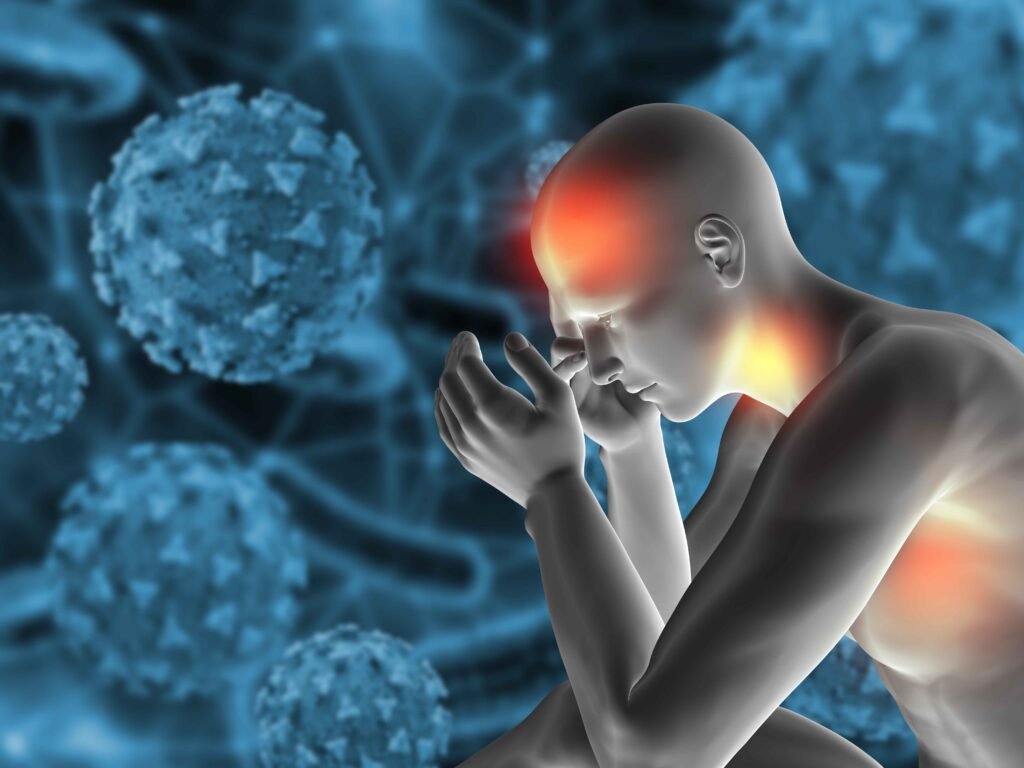
Smoking and drinking are common habits across the world — but they are among the biggest causes of head and neck cancer. These habits damage the mouth, throat, and voice box over time, increasing your head and neck cancer risk significantly.
Dr. Shasanka Sekhar Das, a leading oncologist for head and neck cancer in Kolkata, treats many such patients successfully with advanced, evidence-based therapies and compassionate care.
What Is Head and Neck Cancer?
Head and neck cancer can affect several areas — including the mouth, throat, nose, sinuses, and voice box (larynx). It’s one of the most common cancers in India, with tobacco and alcohol being the primary causes. These substances damage healthy cells, causing them to grow uncontrollably and turn cancerous.
The good news? Early detection makes treatment much more effective. Quitting smoking and drinking can reduce your cancer risk dramatically within a few years.
Does Smoking Cause Head and Neck Cancer?
Yes — smoking directly causes head and neck cancer. In fact, tobacco use is responsible for more than half of all cases. Cigarettes, bidis, cigars, and chewing tobacco all contain over 70 cancer-causing chemicals.
These toxins repeatedly damage cells in the mouth, throat, and voice box. Over time, normal cells mutate into cancer cells. The longer a person smokes, the higher their head and neck cancer risk.
Even light smoking is harmful — but quitting immediately starts to lower the danger. After 10 years without smoking, the risk drops substantially. It’s never too late to quit.
How Alcohol Causes Throat Cancer
Many people wonder: how alcohol causes throat cancer? When alcohol breaks down in the body, it produces a toxic chemical called acetaldehyde. This compound damages cell DNA and irritates the mouth and throat lining.
Regular irritation weakens tissues and makes it easier for cancer to form. Alcohol also helps tobacco chemicals penetrate deeper into cells, making the combination of smoking and drinking particularly deadly.
Beer, wine, whiskey, rum — all forms of alcohol carry risk. The more you drink, the higher your throat and neck cancer risk. Quitting or cutting down alcohol greatly reduces that danger.
Why Tobacco and Alcohol Together Are So Dangerous
Using tobacco and alcohol together multiplies the risk of cancer. Studies show that people who both smoke and drink are up to 30 times more likely to develop head and neck cancer.
Alcohol weakens protective tissues in the mouth and throat, while tobacco adds toxic chemicals that penetrate deeper — leading to severe cellular damage and faster tumor growth. Even moderate use of both together can be life-threatening.
Early Warning Signs You Shouldn’t Ignore
Recognizing symptoms early can save lives. Consult a doctor if you notice any of these warning signs:
- A mouth sore that doesn’t heal
- White or red patches inside the mouth
- Persistent sore throat or difficulty swallowing
- Hoarseness or voice changes lasting over two weeks
- A lump in the neck
- Ear pain or frequent nosebleeds
If you have any of these, see an oncologist for head and neck cancer in Kolkata immediately.
Other Factors That Increase Risk
While tobacco and alcohol are the top causes, other factors can also raise head and neck cancer risk:
- HPV (Human Papillomavirus) infection
- Poor oral hygiene or gum disease
- Low intake of fruits and vegetables
- Long-term exposure to certain industrial chemicals
- Family history of cancer
- Age above 50 years
How Doctors Diagnose Head and Neck Cancer
Diagnosis usually involves:
- Physical exam of the mouth, throat, and neck
- Endoscopy, where a thin tube with a camera checks the throat
- Biopsy, where tissue samples confirm cancer
- CT scans or MRI to check for tumor spread
Dr. Shasanka Sekhar Das provides complete evaluation and diagnostic support at his oncology clinic in Kolkata.
Treatment Options for Head and Neck Cancer
Treatment depends on the stage and location of the tumor:
- Surgery to remove the cancerous growth
- Radiation therapy to kill remaining cells
- Chemotherapy, often combined with radiation
- Targeted therapy and immunotherapy for advanced stages
Early-stage cancers are often curable. Even advanced cases can be managed effectively with modern treatments by an experienced oncologist in Kolkata.
Prevention: How to Lower Your Cancer Risk
You can take strong steps to protect yourself:
- Quit smoking immediately — nicotine replacement and counseling can help
- Avoid alcohol or limit it drastically
- Never smoke and drink together
- Maintain good oral hygiene
- Eat plenty of fruits and green vegetables
- Get the HPV vaccine to prevent virus-related throat cancer
Why Choose Dr. Shasanka Sekhar Das
With years of experience as a head and neck cancer specialist in Kolkata, Dr. Shasanka Sekhar Das offers:
- Personalized treatment plans
- Latest chemotherapy, targeted therapy, and immunotherapy options
- Complete patient support — from diagnosis to rehabilitation
His compassionate approach ensures patients receive both effective and empathetic care.
Life After Cancer Treatment
Life after treatment can be fulfilling. Many survivors return to normal activities with ongoing support like:
- Regular follow-ups for early detection of recurrence
- Speech and swallowing therapy
- Nutrition and lifestyle counseling
- Emotional support through rehabilitation programs
Quitting tobacco and alcohol permanently is essential to prevent recurrence.
Take Action Now
If you smoke or drink, today is the best day to stop. If you notice any symptoms, don’t delay — early diagnosis saves lives.
For expert evaluation and comprehensive treatment, consult Dr. Shasanka Sekhar Das, trusted oncologist for head and neck cancer in Kolkata.
Your health matters — make the choice to protect it today.