Leukaemias
Your Trusted Partner in Leukaemias Treatment
Advanced Leukaemias Treatment You Can Trust
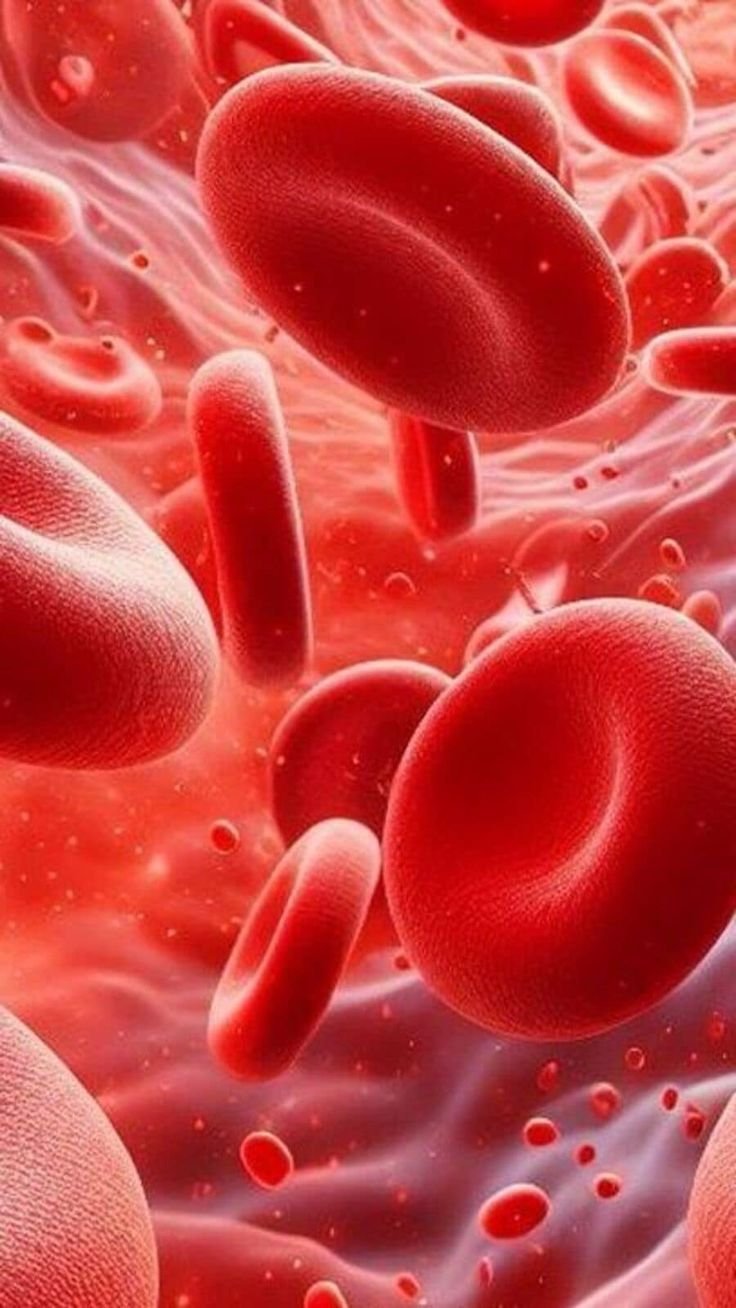
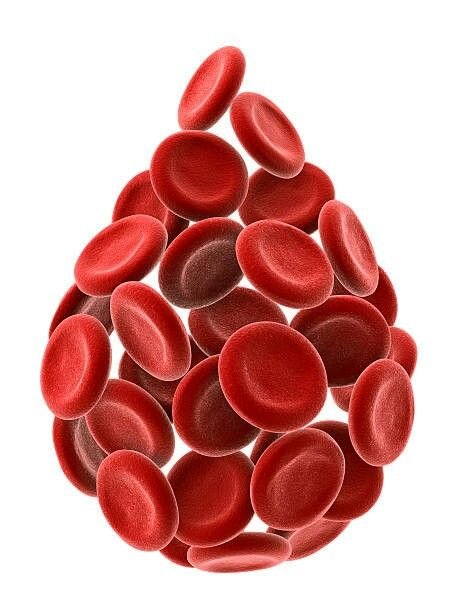
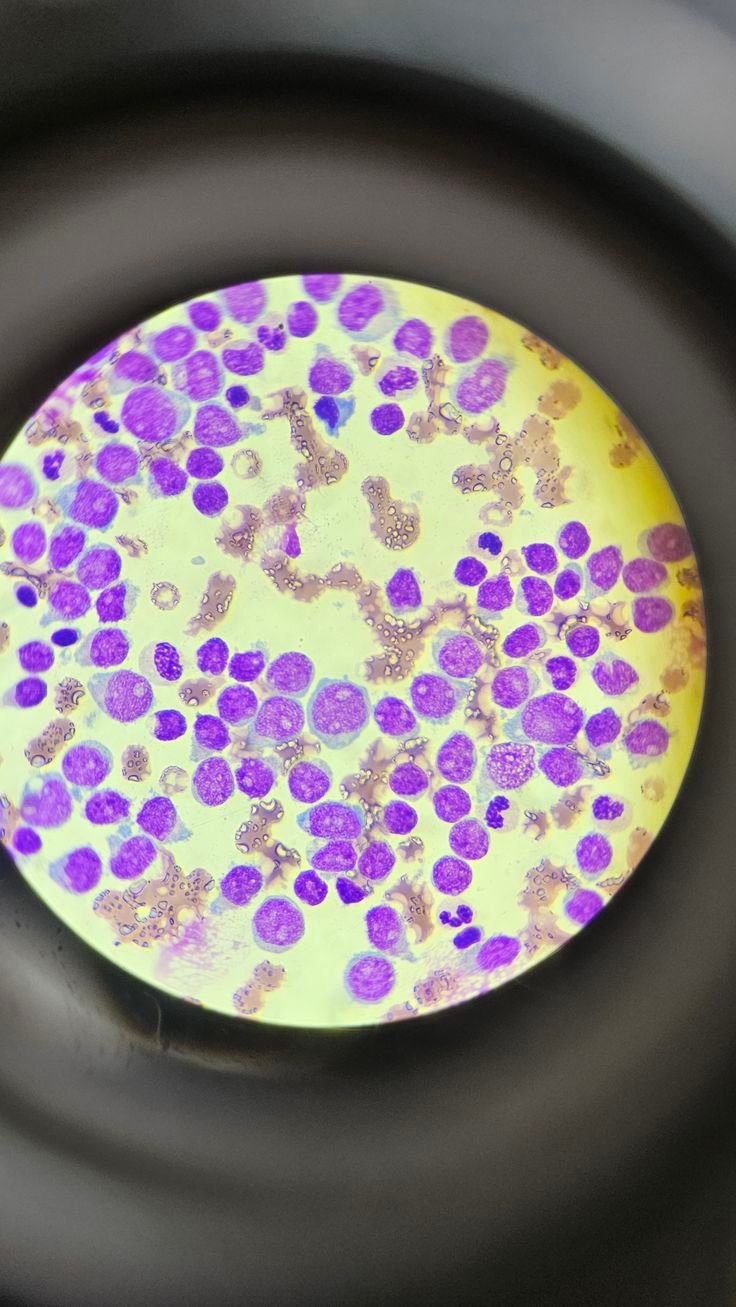
Leukaemia is a type of cancer that begins in the blood-forming tissues, particularly the bone marrow, leading to the uncontrolled production of abnormal white blood cells. These cells crowd out healthy blood cells, reducing the body’s ability to fight infections, control bleeding, and transport oxygen effectively. There are several types of leukaemia, including acute lymphoblastic leukaemia (ALL), acute myeloid leukaemia (AML), chronic lymphocytic leukaemia (CLL), and chronic myeloid leukaemia (CML), each differing in how quickly they progress and whom they affect. While acute forms develop rapidly and require immediate treatment, chronic leukaemias progress more slowly and may remain undetected in early stages.
Causes & Risk Factors
- Persistent fatigue and weakness
- Frequent or severe infections
- Unexplained fevers and night sweats
- Easy bruising or bleeding gums
- Small red spots (petechiae) on the skin
Signs & Symptoms
- A noticeable lump or swelling, often painless at first
- Pain or soreness caused by the tumor pressing on nerves or muscles
- Limited range of motion in affected areas
- Unexplained weight loss or fatigue (in advanced stages)
- Abdominal pain or fullness (for tumors in the abdomen)

Life After Treatment
Life after treatment for leukaemia focuses on recovery, rebuilding strength, and long-term monitoring. Many patients may experience lingering side effects such as fatigue, low immunity, or anemia, which can take time to improve. Regular follow-up visits, blood tests, and occasional bone marrow evaluations are essential to ensure that the disease remains in remission and to detect any recurrence early. Emotional health is also a key part of recovery, as patients often deal with anxiety, stress, or fear of relapse.
Prevention & Awareness
- Avoid exposure to harmful chemicals like benzene
- Limit unnecessary radiation exposure
- Quit smoking and avoid alcohol
- Maintain a healthy diet and active lifestyle
- Stay informed about family history and discuss genetic testing if needed
Treatment Options
We provide a wide range of treatments tailored to each patient’s specific condition
Surgery
Removal of cancerous tumors with reconstructive surgery when needed.
Radiation Therapy
High-energy rays used to target and kill cancer cells.
Chemotherapy
Medications that destroy or shrink tumors, often combined with radiation.
Targeted Therapy
Precision medicines that attack specific cancer cell proteins.
Immunotherapy
Boosts the body’s natural defenses to fight cancer.
Rehabilitation
Speech therapy, swallowing therapy, nutritional support, and psychological counseling to help patients recover fully.
FAQ
Frequently Asked Questions
What is leukaemia?
Leukaemia is a cancer of the blood and bone marrow where abnormal white blood cells are produced uncontrollably, affecting normal blood function.
What are the early warning signs of leukaemia?
Common signs include fatigue, frequent infections, unexplained bruising, bleeding, fever, and weight loss.
Can leukaemia be cured?
Some forms of leukaemia can be cured, especially in children, while others can be effectively managed for long-term remission with advanced treatments.
How is leukaemia diagnosed?
Diagnosis usually involves blood tests, bone marrow biopsy, genetic studies, and imaging scans.