
Skin Cancer
Your Trusted Partner in Skin Cancer Treatment
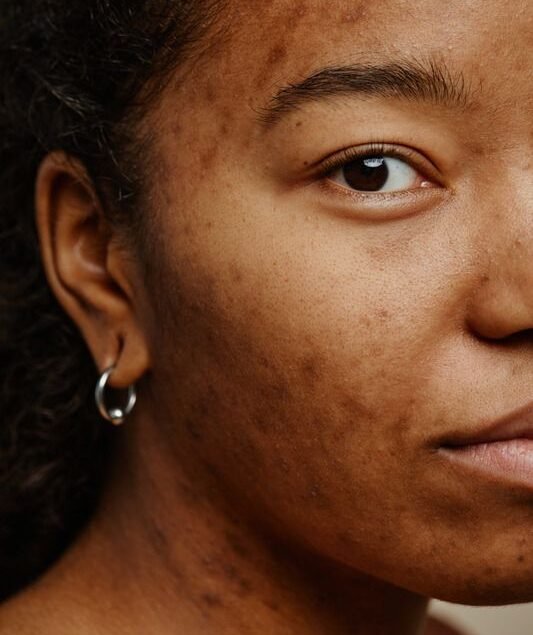
Advanced Skin Cancer Treatment You Can Trust
Skin cancer is one of the most common types of cancer worldwide, caused by the abnormal growth of skin cells. It usually develops in areas that are exposed to sunlight, such as the face, scalp, arms, and neck, but it can also appear on parts of the body rarely exposed to the sun. There are three main types: basal cell carcinoma, squamous cell carcinoma, and melanoma, with melanoma being the most aggressive and potentially life-threatening if not detected early. The condition is strongly linked to excessive ultraviolet (UV) radiation from the sun or tanning beds, though other factors like fair skin, family history, weakened immunity, frequent sunburns, and the presence of abnormal moles also increase risk.
Early signs of skin cancer often include new growths, sores that do not heal, or changes in existing moles such as irregular borders, uneven color, or increase in size. In melanoma, unusual dark spots may also appear on nails, palms, or soles. Diagnosis usually involves a thorough skin examination by a specialist, dermoscopy, and a biopsy to confirm the type of cancer. Advanced imaging such as CT, MRI, or PET scans may be required if doctors suspect the cancer has spread.
Causes & Risk Factors
- Genetic mutations that trigger abnormal cell growth
- Family history of sarcoma or certain inherited genetic conditions
- Previous radiation therapy for another cancer
- Long-term exposure to harmful chemicals or toxins
- Chronic swelling (lymphedema)
Signs & Symptoms
- A noticeable lump or swelling, often painless at first
- Pain or soreness caused by the tumor pressing on nerves or muscles
- Limited range of motion in affected areas
- Unexplained weight loss or fatigue (in advanced stages)
- Abdominal pain or fullness (for tumors in the abdomen)
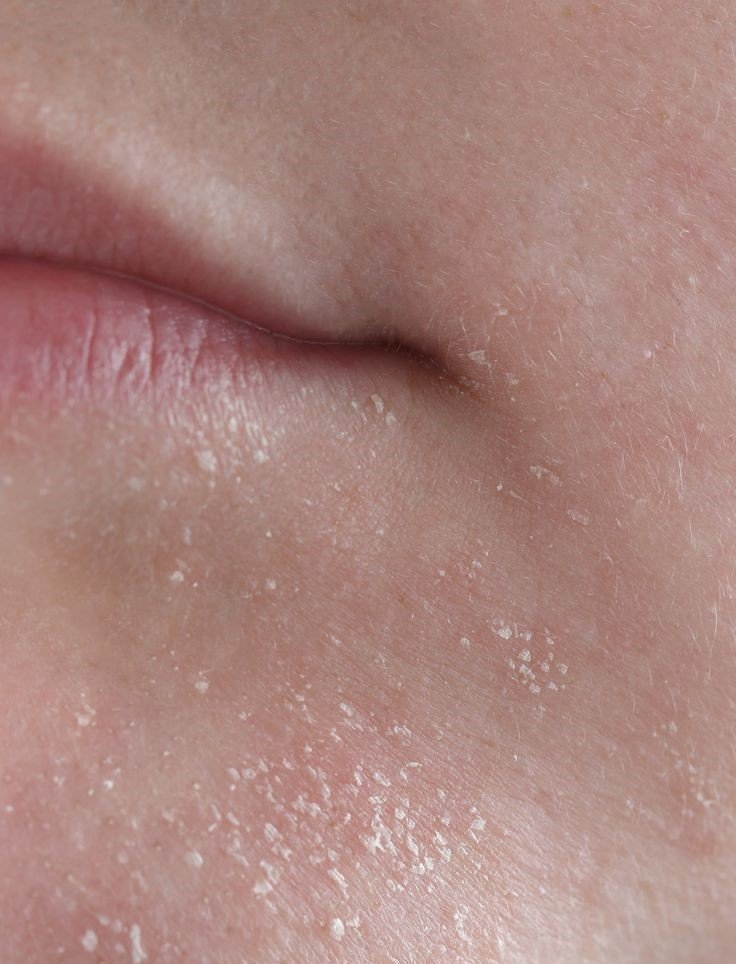
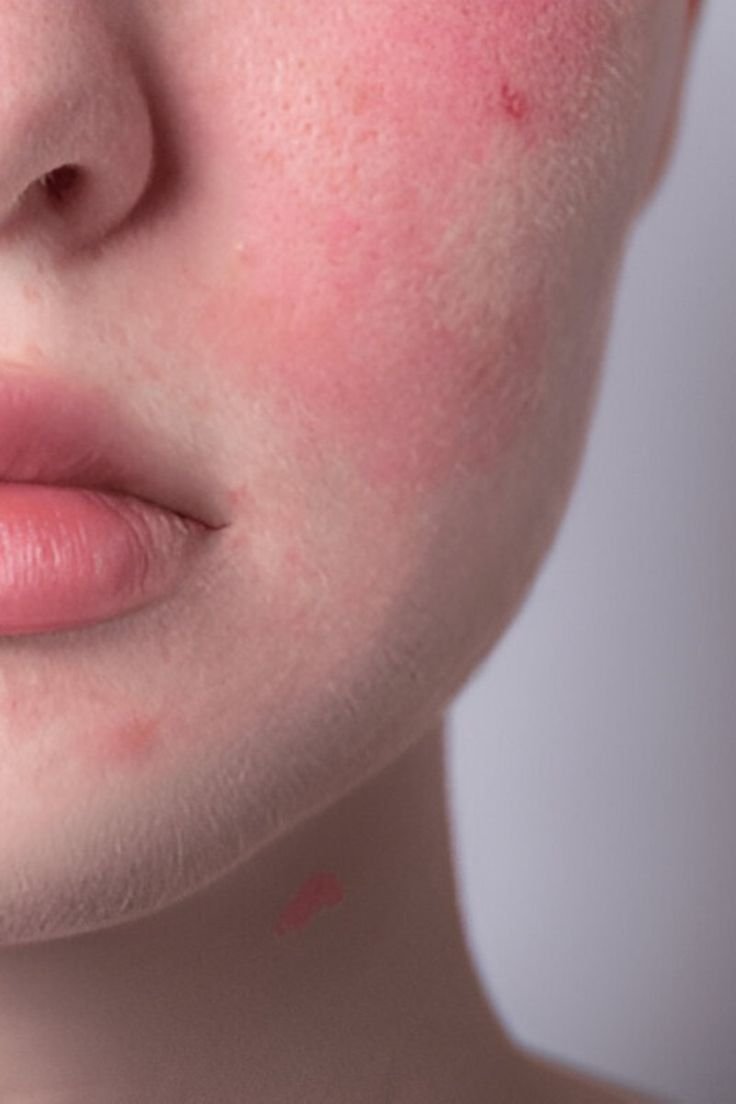
Life After Treatment
Life after treatment for soft tissue sarcoma is focused on recovery, rehabilitation, and long-term monitoring. Depending on the location and stage of the tumor, some patients may experience changes in mobility, muscle strength, or flexibility, especially if treatment involved surgery in the arms or legs. Physical therapy and rehabilitation exercises play a key role in restoring function and improving quality of life.
Prevention & Awareness
- Avoid unnecessary exposure to radiation and harmful chemicals
- Maintain a healthy lifestyle with regular exercise and balanced diet
- Monitor and evaluate any unusual lumps or swellings in the body
- Seek medical advice if family history indicates higher risk
- Stay informed about regular check-ups and early screenings when recommended
Treatment Options
We provide a wide range of treatments tailored to each patient’s specific condition
Surgery
Removal of cancerous tumors with reconstructive surgery when needed.
Radiation Therapy
High-energy rays used to target and kill cancer cells.
Chemotherapy
Medications that destroy or shrink tumors, often combined with radiation.
Targeted Therapy
Precision medicines that attack specific cancer cell proteins.
Immunotherapy
Boosts the body’s natural defenses to fight cancer.
Rehabilitation
Speech therapy, swallowing therapy, nutritional support, and psychological counseling to help patients recover fully.
FAQ
Frequently Asked Questions
What is soft tissue sarcoma?
It is a rare cancer that develops in soft tissues such as muscles, fat, blood vessels, or connective tissues.
Is soft tissue sarcoma painful?
In the early stages, most lumps are painless. Pain usually occurs when the tumor grows large enough to press on nerves or organs.
How is it diagnosed?
Doctors use imaging tests (MRI, CT scan, ultrasound) and confirm the diagnosis with a biopsy.
Can soft tissue sarcoma spread?
Yes, sarcoma can spread (metastasize) to other organs, most commonly the lungs. Early detection improves treatment outcomes.