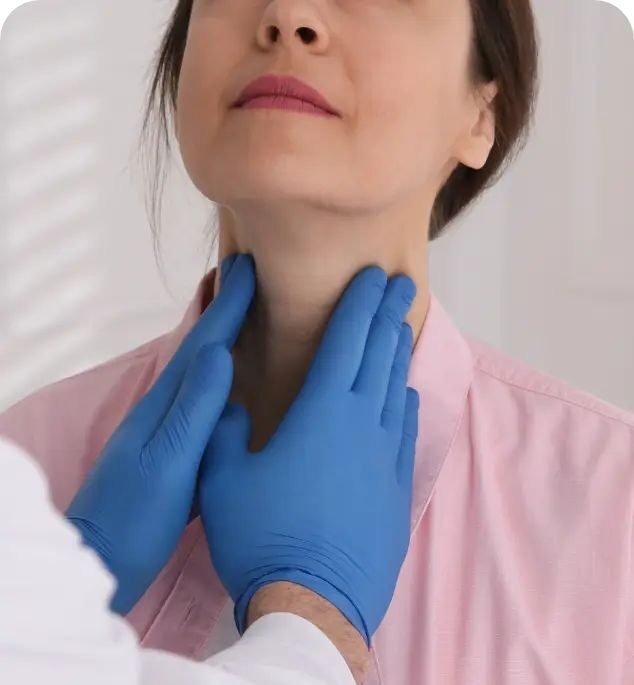
Head & Neck Cancer
Your Trusted Partner in Head & Neck Cancer Treatment

Advanced Head & Neck Cancer Treatment You Can Trust
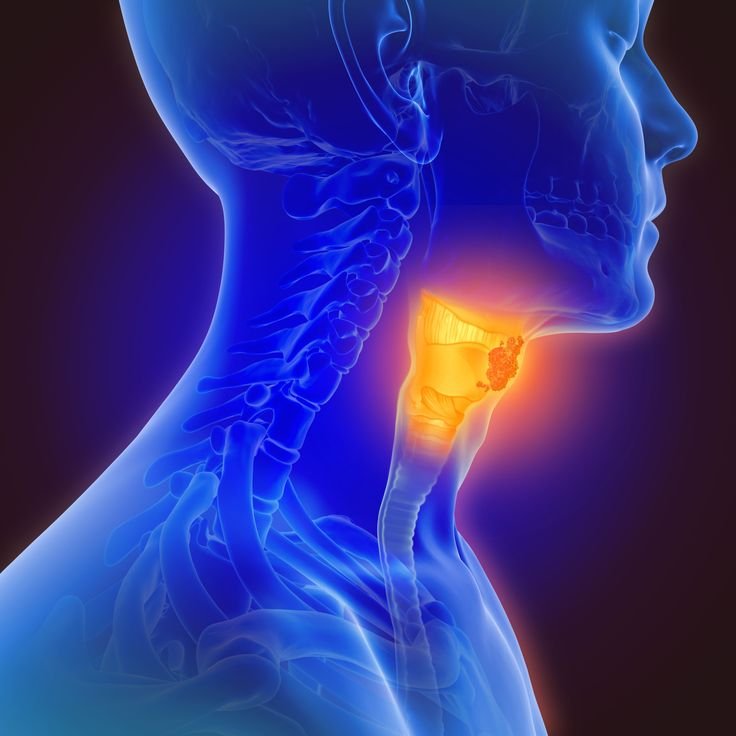
Head and neck cancer refers to a group of cancers that develop in areas such as the mouth, throat, voice box, sinuses, salivary glands, and nasal cavity. These cancers can affect essential functions like speaking, swallowing, and breathing, making early detection and timely treatment extremely important. The most common risk factors include tobacco and alcohol use, HPV infection, poor oral hygiene, genetic predisposition, and prolonged exposure to harmful chemicals or dust.
Patients may notice warning signs such as persistent sore throat, difficulty in swallowing, hoarseness, swelling in the neck or jaw, non-healing mouth ulcers, unexplained weight loss, or changes in voice. At this stage, accurate diagnosis is critical, which may involve clinical examination, imaging tests such as CT, MRI, or PET scans, endoscopic evaluation, biopsies, and specialized lab tests.
Causes & Risk Factors
- Tobacco use (smoking and chewing)
- Excessive alcohol consumption
- Poor oral hygiene
- Genetic predisposition
- Long-term exposure to harmful chemicals or dust
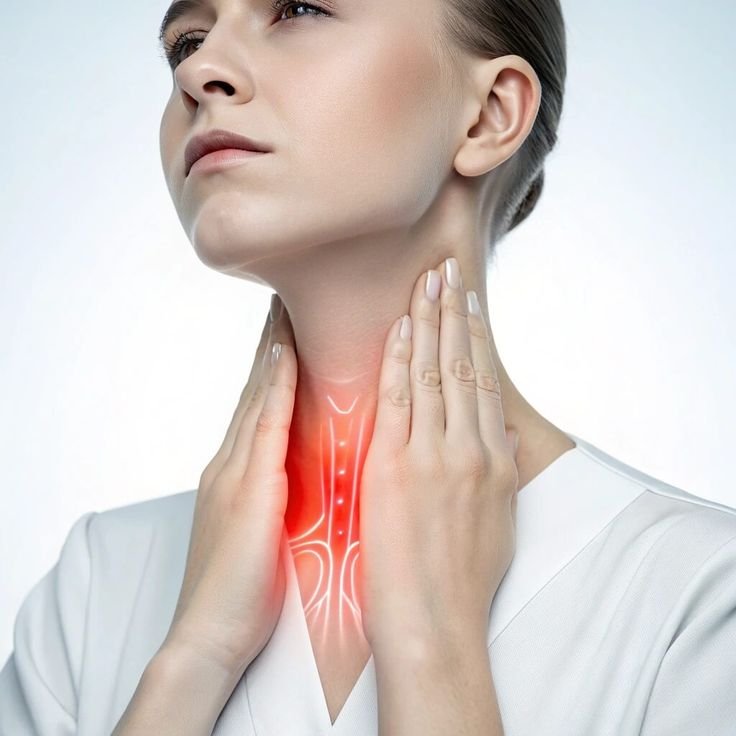
Signs & Symptoms
- Persistent sore throat or cough
- Hoarseness or voice changes
- Difficulty swallowing or breathing
- Mouth sores that do not heal
- Lumps in the neck or jaw
Life After Treatment
Recovering from head and neck cancer involves more than just medical treatment. Our rehabilitation programs include speech and swallowing therapy, nutritional guidance, and emotional counseling. Regular follow-ups and lifestyle guidance help patients heal, regain confidence, and return to normal life with renewed strength.
Prevention & Awareness
- Avoiding tobacco and alcohol use
- Maintaining good oral hygiene
- Getting the HPV vaccine
- Eating a balanced diet rich in fruits and vegetables
- Scheduling regular dental and health check-ups
Treatment Options
We provide a wide range of treatments tailored to each patient’s specific condition
Surgery
Removal of cancerous tumors with reconstructive surgery when needed.
Radiation Therapy
High-energy rays used to target and kill cancer cells.
Chemotherapy
Medications that destroy or shrink tumors, often combined with radiation.
Targeted Therapy
Precision medicines that attack specific cancer cell proteins.
Immunotherapy
Boosts the body’s natural defenses to fight cancer.
Rehabilitation
Speech therapy, swallowing therapy, nutritional support, and psychological counseling to help patients recover fully.
FAQ
Frequently Asked Questions
Is head & neck cancer curable?
Yes, many cases of head and neck cancer are curable, especially when diagnosed in the early stages. With timely treatment and follow-up care, patients can achieve excellent recovery outcomes.
What are the early warning signs I should not ignore?
Persistent sore throat, difficulty swallowing, voice changes, lumps in the neck, non-healing mouth ulcers, and unexplained weight loss are common early signs. If these symptoms last more than 2–3 weeks, consult a doctor immediately.
What types of treatments are available for head & neck cancer?
Treatment may include surgery, radiation therapy, chemotherapy, targeted therapy, and immunotherapy. A combination of these is often used depending on the stage and location of cancer.
Will the treatment affect my speech or swallowing ability?
In some cases, treatment may temporarily impact speech, swallowing, or appearance. However, with rehabilitation, speech therapy, and reconstructive surgery, most patients regain function and confidence.