Lung Cancer
Your Trusted Partner in Lung Cancer Treatment
Advanced Lung Cancer Treatment You Can Trust
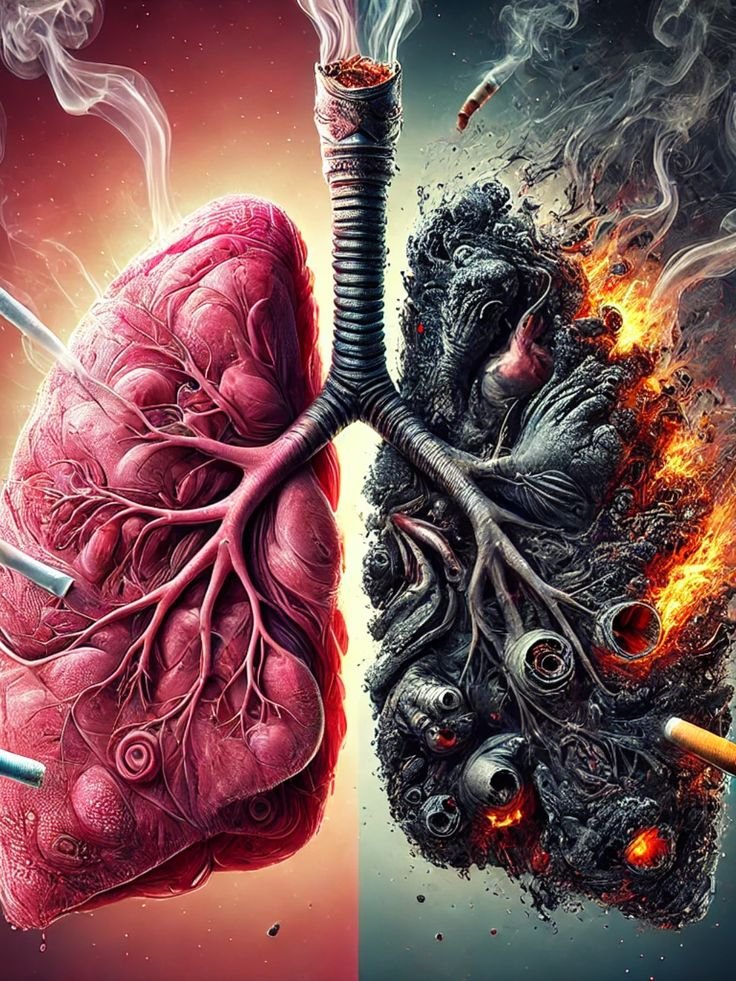
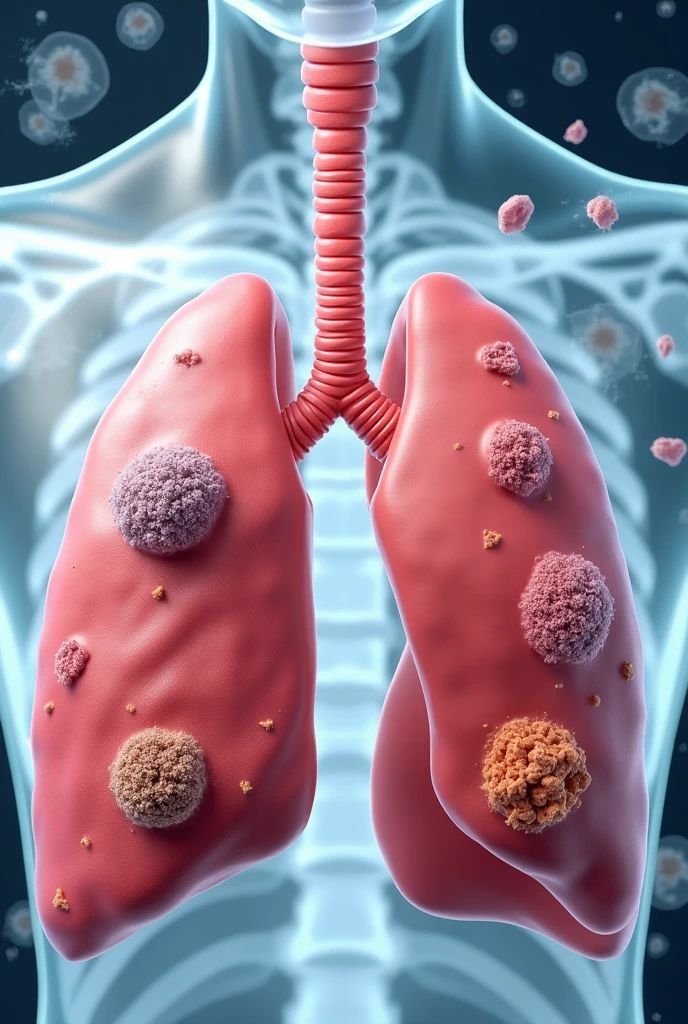
Lung cancer is one of the most common and life-threatening forms of cancer, beginning when abnormal cells grow uncontrollably in the lungs. While smoking is the leading cause, lung cancer can also affect non-smokers due to genetic factors, long-term exposure to pollution, harmful chemicals, or family history. In many cases, the disease progresses silently, and symptoms such as persistent cough, shortness of breath, chest pain, or unexplained weight loss may appear only in the later stages. This makes early detection and timely diagnosis extremely important.
Diagnosis usually involves imaging tests such as chest X-rays, CT scans, MRI, or PET scans, along with bronchoscopy and biopsy to confirm the presence of cancer cells. Once diagnosed, the treatment approach is tailored to the type, stage, and overall health of the patient. Surgery is often performed to remove part of the lung or, in advanced cases, the entire lung. Chemotherapy and radiation therapy are widely used to destroy cancer cells, while newer options like targeted therapy and immunotherapy offer precise treatment by focusing on cancer-specific mutations and boosting the immune system to fight cancer more effectively.
Causes & Risk Factors
- Smoking (primary and secondhand exposure)
- Long-term exposure to pollutants such as asbestos, radon gas, or industrial chemicals
- Family history of lung cancer or genetic mutations
- Chronic lung diseases (e.g., COPD, pulmonary fibrosis)
- Age – risk increases significantly after 50
Signs & Symptoms
- Persistent cough that worsens over time
- Coughing up blood or rust-colored sputum
- Shortness of breath or wheezing
- Chest pain that worsens with deep breathing, coughing, or laughing
- Unexplained weight loss and loss of appetite
Life After Treatment
Life after lung cancer treatment is a phase of recovery, adaptation, and ongoing care. Many patients experience changes in breathing capacity, energy levels, and overall lifestyle, but with proper rehabilitation and support, it is possible to return to normal activities. Pulmonary rehabilitation programs, including breathing exercises and physical therapy, help restore lung strength and improve stamina. Good nutrition, adequate rest, and quitting smoking are essential for healing and reducing the risk of recurrence.
Prevention & Awareness
- Quit smoking and avoid exposure to secondhand smoke
- Minimize exposure to radon, asbestos, and harmful industrial chemicals
- Maintain a healthy diet and active lifestyle to strengthen immunity
- Protect lungs from long-term pollution and workplace hazards
- Regular screenings for high-risk individuals, especially smokers and those with family history
Treatment Options
We provide a wide range of treatments tailored to each patient’s specific condition
Surgery
Removal of cancerous tumors with reconstructive surgery when needed.
Radiation Therapy
High-energy rays used to target and kill cancer cells.
Chemotherapy
Medications that destroy or shrink tumors, often combined with radiation.
Targeted Therapy
Precision medicines that attack specific cancer cell proteins.
Immunotherapy
Boosts the body’s natural defenses to fight cancer.
Rehabilitation
Speech therapy, swallowing therapy, nutritional support, and psychological counseling to help patients recover fully.
FAQ
Frequently Asked Questions
What causes lung cancer?
The main cause is smoking, but non-smokers can develop it due to genetics, pollution, or occupational exposure.
What are the early warning signs?
Persistent cough, coughing up blood, shortness of breath, chest pain, and unexplained weight loss.
How is lung cancer diagnosed?
Doctors use imaging tests (X-rays, CT, MRI, PET), biopsies, and bronchoscopy to confirm diagnosis.
Is lung cancer curable?
Yes, if detected early. Treatment success depends on the stage, type, and overall health of the patient.